
Cape Cod Short-Term Rental Rules in 2026: A Town-by-Town Compliance Guide for Homeowners
In my experience helping buyers and sellers navigate vacation-property decisions across Barnstable County, the single most costly mistake I see is assuming that what's true in Chatham is true in Wellfleet. It isn't. Cape Cod's fifteen towns each operate their own short-term rental (STR) registry, set their own fee schedules, and enforce their own occupancy and ownership rules. A regulation that earns you a certificate in Yarmouth can cost you a fine in Falmouth. This guide consolidates the 2026 compliance landscape into one decision-first resource.

What Counts as a Short-Term Rental on Cape Cod?
Any residential property, room, or unit rented for 31 consecutive calendar days or fewer is classified as a short-term rental under Massachusetts law and subject to municipal registration. Leases of 32 days or longer qualify as long-term tenancies and are fully exempt from both the state STR registry and room occupancy excise taxes.
How Much Tax Will You Actually Pay in 2026?
The baseline tax rate for most Cape Cod towns is 14.45%, composed of three layers: the 5.7% Massachusetts state excise tax, a 6.0% local option tax, and the 2.75% Cape Cod & Islands Water Protection Fund surcharge. Owners of two or more units in the same town — or units in non-owner-occupied multi-family buildings — face an additional Community Impact Fee of up to 3%, pushing their effective rate to 17.45%.
- State Excise Tax: 5.7% (collected via MassTaxConnect on every booking)
- Local Option Tax: 4–6% depending on municipality
- Water Protection Fund Surcharge: 2.75% (applies county-wide across all fifteen Barnstable County towns)
- Community Impact Fee: Up to 3% for professionally managed or multi-unit portfolios
Do You Still Need to Register If You Only Rent 14 Days a Year?
Yes — and this is one of the most misunderstood rules on the Cape. Renting for 14 or fewer days per calendar year exempts you from collecting and remitting state and local lodging taxes, but you are still legally required to register with the Massachusetts DOR through MassTaxConnect and to file for your local municipal certificate. Skipping registration because you assume the "14-day rule" covers you is the fastest path to a fine.
Town-by-Town 2026 Registration Fees: What You'll Pay at the Permit Window
Municipal registration fees vary dramatically across the Cape — from $180 in Yarmouth to $750 in Provincetown. The table below reflects 2026 schedules. Owners with properties in multiple towns must budget and file separately for each.
| Town | 2026 Registration Fee | Key Details & Ancillary Costs |
|---|---|---|
| Provincetown | $750 / year | The highest fee on the Cape. By contrast, long-term rental registration is only $300 every three years. |
| Dennis | $580 / year | Standard flat annual registration rate. |
| Wellfleet | $420 / year | Reflects a breakdown of $300 for base registration + a mandatory $120 inspection fee. |
| Brewster | $300 / year | New bylaw officially approved at the May 4, 2026 town meeting; renewals are due each November. |
| Yarmouth | $180 / year | Budget breakdown: $80 application fee + $100 localized short-term rental operational fee. |
| Orleans | $155 / year | Applies strictly to the vessel storage permit for beach/landing access (separate from the standard STR certificate). |
| Eastham | Varies | Requires an annual certified private water lab analysis fee ($65–$70) submitted directly at the time of filing. |
In my experience, owners who budget only for the registration fee are often blindsided by the required ancillary costs — inspection fees, water testing, and septic documentation — that arrive with the application packet.
The Wellfleet Occupancy Cap: What Changed at the May 2026 Town Meeting
This is the detail that no major real estate portal has yet reported accurately. At the Spring Town Meeting on May 12, 2026, Wellfleet voters amended their originally proposed occupancy rule — which would have capped rentals at a strict two people per bedroom — to the current standard of two people per bedroom plus two additional guests. This brings Wellfleet into alignment with neighboring Truro and meaningfully improves income projections for Outer Cape investors, particularly for four- and five-bedroom properties that routinely host extended families.
Can an LLC or Corporation Own a Short-Term Rental on Cape Cod?
It depends — critically — on which town the property sits in, and what type of entity holds the deed. This is one of the highest-stakes structural decisions a buyer can make before closing.
- Falmouth: Prohibits S-Corporations, C-Corporations, nominee trusts, and REITs from holding STR certificates. LLCs are permitted only if all shareholders are documented natural persons.
- Eastham: LLCs are allowed but must fully disclose the names of all natural-person owners. This rule was written to prevent corporate shells from circumventing the town's two-property ownership limit.
- Bourne: Prohibits STR use of accessory dwelling units (ADUs) and their primary lots entirely. ADUs must be leased for a minimum of 90 consecutive days. Fractional ownership of any kind is prohibited.
If you are purchasing a Cape Cod investment property through an LLC or trust, confirm the specific ownership rules in your target town with a local real estate attorney before closing — not after.
Septic Systems, Nitrogen, and the I/A Upgrade Decision
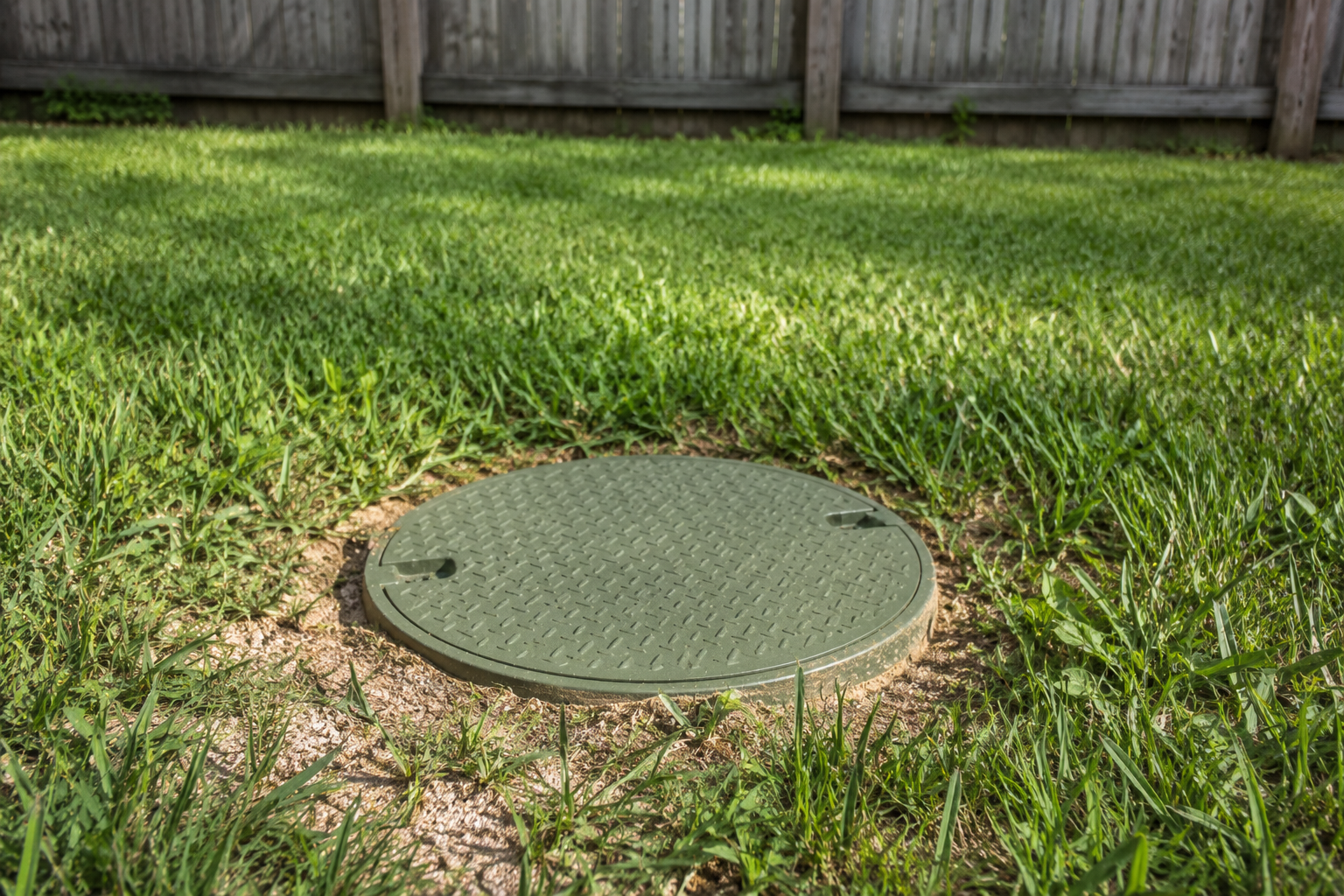
The most expensive compliance decision most Cape homeowners face is not the registration fee — it's the septic system. Standard Title 5 systems remove pathogens but allow nitrogen and phosphorus to filter through the Cape's sandy soil directly into coastal ponds and estuaries. Innovative/Alternative (I/A) systems use enhanced treatment technology to remove nitrogen before it reaches the water table. A mandatory I/A upgrade costs between $20,000 and $45,000 as a one-time capital expenditure, but the obligation can be deferred or waived if your town has secured a MassDEP Watershed Permit and is managing nitrogen through a community-scale wastewater project.
- If your town holds an active DEP Watershed Permit: Individual I/A upgrade mandates are typically suspended during the planning period.
- If your property is in a Nitrogen Sensitive Area with no active permit: You may face a five-year mandatory upgrade timeline regardless of rental status.
- Standard Title 5 pumping: Budget $400–$800 every two to three years for routine maintenance regardless of upgrade status.
Eastham's Private Well Rule: The Nitrate Threshold That Can Deny Your Certificate
Eastham is unique among Cape towns in requiring annual certified water laboratory results as a condition of STR registration. The decision tree is binary and unforgiving: if nitrate levels in your well test at 10 milligrams per liter or above, your rental certificate is denied until the property connects to municipal town water. Between 5 and 10 mg/L, you may operate — but you must provide bottled water to guests and upload purchase receipts to the town's compliance portal each month. Below 5 mg/L, no action is required beyond submitting the test results at filing.
Insurance, Safety, and Local Contact Requirements
Massachusetts Chapter 337 (Acts of 2018) requires all STR operators to maintain a minimum of $1,000,000 in liability insurance per rental stay. Standard homeowner's insurance does not satisfy this requirement — it excludes commercial rental activity. The state-backed FAIR Plan caps at $500,000, making a commercial STR policy or verified platform coverage (such as Airbnb AirCover for Hosts) the only compliant options. Dedicated STR liability policies run $1,200–$2,500 annually on Cape Cod.
- Brewster: Requires a designated local contact able to physically respond to the property within two hours of any complaint or emergency.
- Falmouth (effective January 1, 2027): Local contact must live within 20 miles of the property and be available 24/7.
- Yarmouth: Smoke and carbon monoxide detectors must be less than 10 years old, tested annually, equipped with fresh batteries, and installed on every level of the home.
- Provincetown: Street address numbers must be at least 4 inches tall and 0.5 inches wide, visible from the road; all exterior exit doors must have functioning lighting.
What Happens If You Don't Register: Enforcement Realities by Town
Chatham's Health Division is among the most active enforcement bodies on the Cape, issuing fines of up to $200 per day for each day an unregistered property is listed or rented — with each calendar day counted as a separate violation. Repeated violations can trigger a Board of Health hearing and permit revocation. Across the Cape, towns are increasingly cross-referencing Airbnb, Vrbo, and Booking.com listings against their municipal registries using automated scraping tools. The era of "quiet non-compliance" is effectively over.
Strategic Takeaways for Buyers, Sellers, and Investors
For relocating families considering a second-income property: understand that the 14.45% tax rate and registration fees are fixed costs of the business — model them into your pro forma before you make an offer, not after. For move-up buyers trading a smaller Cape home for a larger one: confirm whether your new property sits in a Nitrogen Sensitive Area before closing, because a mandatory I/A septic upgrade can transform a profitable rental into a multi-year capital project. For investors evaluating portfolio expansion: towns without Community Impact Fees and with lower registration fees — like Yarmouth at $180 — offer meaningfully better unit economics than Provincetown at $750, all else being equal.
Categories
Recent Posts



GET MORE INFORMATION